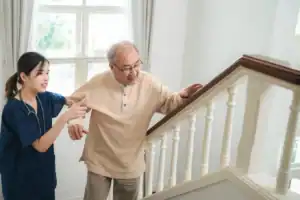
When loved ones grow older, it is especially essential to preserve their independence and self-respect. Families often find it challenging to balance this with daily care. In such cases, home care is the best solution.
Older adults living alone often experience both physical and mental difficulties, which are exacerbated by isolation. Social isolation can lead to anxiety, depression, and cognitive decline, which negatively affect quality of life. When independence is maintained and professional home care is available, a person's condition improves, and they feel supported and have companionship.
Relatives need to know that their loved one is being cared for. Older adults need to retain the right to make decisions about their daily lives, as their independence has been developed over many years and remains an integral part of their dignity.
Providing independence for seniors can present certain challenges. It is always necessary to consider the condition and capabilities of the person being cared for.
| Challenge | Description | Possible Support |
| Physical health decline | Decreased strength, mobility, risk of falls | Regular exercise, home adaptations, caregiver assistance |
| Memory issues | Forgetfulness, difficulties with medication and daily tasks | Reminders, medication management, cognitive training |
| Daily tasks | Difficulties with cooking, cleaning, hygiene | Home help, simplification of daily tasks |
Challenges can vary, but they can all be overcome. Caregivers know how to ensure safety in the home and comfort in daily routines.
Home care allows older people to remain in familiar surroundings and feel that they are in control of their lives. Caregivers take on some household chores while leaving room for independence. For example, a caregiver may suggest clothing options but leave the choice up to the person. It helps them feel independent and confident.

Home care helps older adults feel calm and confident while remaining in familiar surroundings. It reduces anxiety and eliminates the need to share personal moments with large numbers of staff, as is often the case in institutions. Here are the main advantages:
Each person has their personal characteristics, so the care plan is tailored to the individual.
Supporting an elderly person's independence depends on their physical and mental abilities. It is important to give them the right to determine their own daily routine, from when they get up to when they rest in the evening. Sometimes compromises have to be made, for example, adjusting to the caregiver's visit, but decisions should be made in such a way that a sense of control is maintained. The schedule may change depending on how they feel, and this must also be taken into account.
It is equally important to allow them to express themselves through their appearance. Choosing clothes or hairstyles helps them maintain their individuality. If they have difficulty with fasteners or inappropriate clothing, you can offer comfortable alternatives while maintaining their style.
Hobbies and creative activities bring joy to older people, keep their minds active, and help them feel like they are still an integral part of life. If they have a favorite activity, support them in it.
When choosing a home care agency, it is vital to consider the quality and reliability of the services they provide. Suitable organizations should offer:
Agencies that know how to work with people with chronic illnesses, assist in recovery, and quickly adapt to different requests are especially valuable.
Why is independence important for older adults?
It provides a sense of control and confidence and supports emotional well-being.
How does home care help maintain independence?
A caregiver or assistant takes on challenging tasks, allowing the individual to do the rest themselves.
What are the main difficulties that prevent older people from remaining independent?
Memory problems, falls, chronic illnesses, loneliness, and everyday difficulties.
How can a family support an elderly person's independence?
Assist with difficult tasks, encourage activity and communication, and respect their decisions.
What to do if an elderly person begins to lose their independence?
Review the care plan, add assistance, and stay in touch with the doctor.