
For most older adults, home is where comfort, dignity, and independence come together. But without the right adjustments, the familiar rooms of a family home can become sources of serious risk. Home modifications for seniors are among the most practical steps families can take to protect aging loved ones — allowing them to remain in the spaces they love while staying safe.
Falls are the leading cause of injury-related hospitalizations among adults over 65, with most occurring at home. Most risks can be significantly reduced with targeted changes to the living environment. Whether planning ahead or responding to a recent health change, the right modifications make a measurable difference.
If your family is exploring broader support options, A+ Home Care's elderly care services offer personalized assistance that complements a well-adapted home environment.
As people age, changes in balance, vision, muscle strength, and reaction time make everyday environments harder to navigate. Stairs become difficult to climb. Bathroom floors become slippery hazards. Dim lighting makes judging distances difficult.
Home modifications address these challenges before an accident occurs. They do not make a home look clinical or institutional. Done well, they preserve comfort and aesthetics while quietly removing the most harmful dangers.
Falls account for a significant portion of emergency room visits among seniors each year. According to the National Council on Aging, fall prevention strategies that include home modifications can reduce fall risk by up to 26%.
Key structural changes that directly support fall prevention include:
These changes require minimal investment and deliver consistent, long-term protection for older adults at every mobility stage. They also form the foundation of home safety elderly fall prevention strategies used in both private homes and professional care settings.
Independence is one of the most important aspects of well-being for aging adults. Research published through Bethesda Health confirms that seniors who maintain autonomy in their daily lives report significantly higher quality of life scores.
Modifications that reduce reliance on others for basic tasks, such as lever-style door handles, raised toilet seats, or accessible kitchen storage, give seniors confidence to move through their day. These small changes have a substantial psychological impact.
Not all rooms carry the same risk. In most homes, bathrooms, kitchens, and stairways are where accidents are most likely. Targeted improvements in these areas offer the highest safety return.
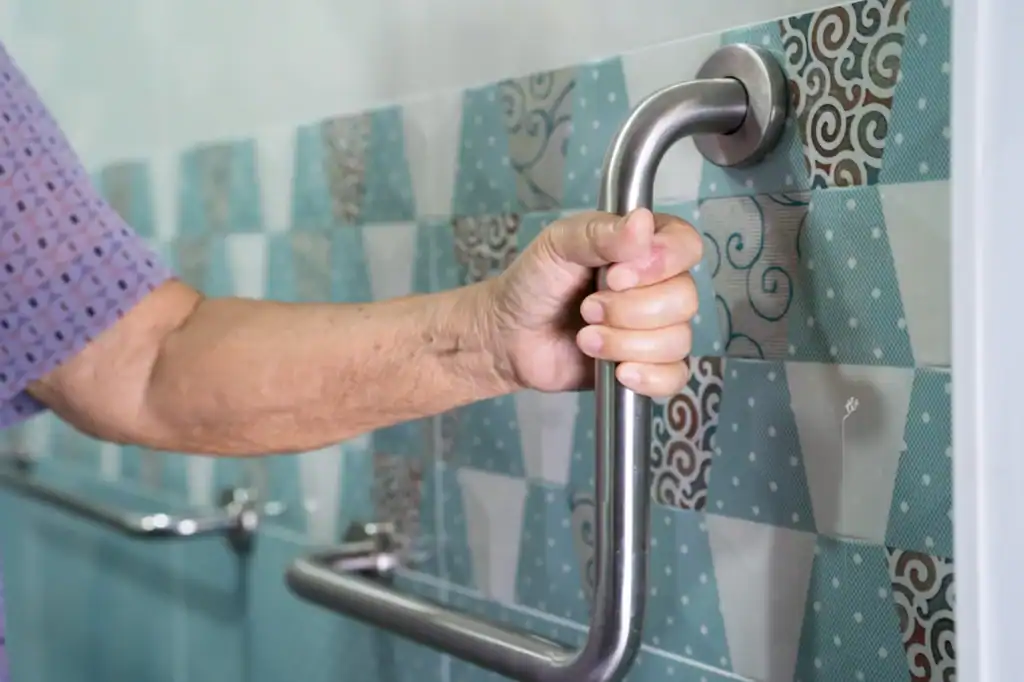
Bathroom upgrades are the most impactful home modifications. A walk-in shower with a built-in seat, handheld showerhead, and properly anchored grab bars can dramatically reduce serious injury risk during routine daily activities.
Kitchen safety improvements include lowering frequently used storage, replacing round doorknobs with lever handles, and installing under-cabinet lighting to remove shadows near countertops and stoves.
Stairway hazards can bStairway hazards can be addressed with bright step lighting, high-contrast edge markings on each tread, and secure handrails on both sides.h who work with A+ Home Care's in-home care team often combine professional caregiver support with home modification plans to create the most comprehensive safety environment possible.
| Area | Common Hazard | Recommended Modification |
| Bathroom | Slippery surfaces, low toilet | Grab bars, non-slip mat, raised seat |
| Kitchen | Hard-to-reach storage, poor lighting | Lowered shelves, under-cabinet lights |
| Stairways | Poor visibility, weak grip | Bright lighting, handrails both sides |
| Bedroom | Low bed height, dark floors | Adjustable bed frame, nightlights |
| Entryway | Steps, narrow doorways | Ramp installation, wider door frames |
For seniors with reduced mobility due to arthritis, stroke, or neurological conditions, accessibility modifications go beyond basic safety. They reshape the home to accommodate physical limitations rather than oppose them.
Ramps are among the most requested modifications. A properly graded ramp at the main entrance lets wheelchair and walker users enter and exit independently without relying on a caregiver for every trip.
Wider doorways (32–36 inches) are essential for wheelchair access and benefit seniors using walkers. This structural change often requires a contractor but fundamentally improves home usability.
Inside the home, accessibility improvements like roll-under counters, offset hinges to widen door clearance, and lever-handled faucets give seniors with limited grip or arm mobility genuine independence.
Modern technology has expanded tools for keeping seniors safe at home. These systems work passively, providing monitoring and alerts without interfering with daily life or dignity.
The most effective smart home safety tools for seniors include:
Many of these sensors are now affordable, easy to install, and manageable through a smartphone, making it easier for adult children to stay connected with aging parents from a distance.
True comfort in aging comes from a home designed around daily needs, not just reactive fixes after incidents. A senior-friendly home considers movement patterns, lighting quality, furniture placement, and balance between stability and livability.
Furniture should create clear, wide pathways through each room. Chairs and sofas should be firm enough to make standing up easy, with armrests positioned to support transitions from sitting to standing. Beds should be at a height that allows feet to rest flat on the floor.
Design choices also matter. Contrasting colors between floors and walls help seniors with visual impairments perceive edges and transitions more clearly. Natural light should be maximized, and adjustable window coverings give residents control over glare.
Families in Williamsport navigating these decisions can find guidance through A+ Home Care's elder care services in Williamsport, PA, which connect families with local professionals experienced in aging-in-place planning.
Before any modification project, a systematic room-by-room assessment helps families identify the most urgent needs. This hazard evaluation does not require a professional initially; a careful walk-through with the right checklist is a strong start.
Use this home safety checklist for seniors as a guide:
For families who want a professional evaluation, occupational therapists specializing in home assessments can provide detailed reports and prioritized recommendations.
A+ Home Care's team can also connect families with resources to make this process straightforward and actionable.
What are the most important home modifications for seniors?
Bathroom grab bars, non-slip flooring, improved lighting, and stair handrails are consistently the highest-impact modifications for fall prevention and daily safety.
How much do home modifications for elderly residents typically cost?
Costs vary widely. Simple modifications like grab bars or non-slip mats may cost under $100, while structural changes such as ramp installation or doorway widening can range from $500 to several thousand dollars.
Can home modifications help someone with dementia stay safe?
Yes. For individuals with cognitive decline, modifications such as door sensors, automatic stove shut-off devices, and simplified room layouts reduce confusion and prevent dangerous situations.
Who pays for senior home modifications?
Funding sources include Medicaid waiver programs, state-funded aging services, VA benefits for eligible veterans, and some nonprofit home repair programs. Many modifications are tax-deductible as medical expenses.When should families start thinking about home modifications?
Ideally, before an accident occurs. Starting the conversation at the first signs of mobility changes, balance issues, or a recent hospitalization gives families time to plan carefully rather than react under pressure.