
With age, symptoms of depression can affect many different areas of an elderly person's life. They can reduce energy levels, alter appetite, disrupt sleep, and cause a loss of interest in usual activities, such as work, hobbies, or socializing with loved ones. Such signs of depression in seniors are quite common, as depression can affect anyone in old age. However, there are ways to strengthen emotional health and make the mature years more harmonious, filled with joy and a sense of fulfillment.
Depression in older adults is a treatable condition. It is not a natural part of aging, although many people perceive it as such. This condition is not related to a person's character, strength, or weakness. Depression is an illness that requires attention. Everyone experiences sadness and emotional turmoil; it is a part of life. However, when difficult emotions begin to interfere with daily activities, it is important to seek solutions and support in order to restore balance and quality of life.
Many older people experience depression, but often do not receive the necessary support because the symptoms go unnoticed. There are many signs of depression in the elderly that can help identify the problem, but it often remains hidden:
Depression can affect anyone, regardless of their life path, social status, or achievements, and requires attention.
Older adults living with depression often feel that help is not intended for them. Stigma and self-criticism reinforce feelings of guilt and shame. Even scheduled therapy sessions can be perceived as a difficult ordeal, leading to a refusal of support. This state prolongs episodes of depression and reduces quality of life. Chronic stress arises, physical health deteriorates, and the aging process accelerates. The immune system weakens, and the risk of cognitive impairment and dementia increases. All of this directly affects overall well-being, making timely assistance particularly important.
Elderly depression symptoms primarily manifest themselves in a person's emotional state. If a person loses motivation to do anything, this is an alarming sign. The sooner family members notice this, the better.
Depression manifests itself in various ways. You feel depressed and indecisive. You feel guilty. You become irritable and anxious. You lose your confidence. Life seems empty and disappointing. Sadness and a feeling of unhappiness set in. Symptoms can manifest themselves in detachment from work and a desire to take time off.
Among the senior mental health warning signs, it is vital to note physical changes and other behaviors in a person. The physical manifestations of depression can vary:
Such conditions can sap your strength and make you want to spend more time in bed, which exacerbates the severity of the depressive episode.
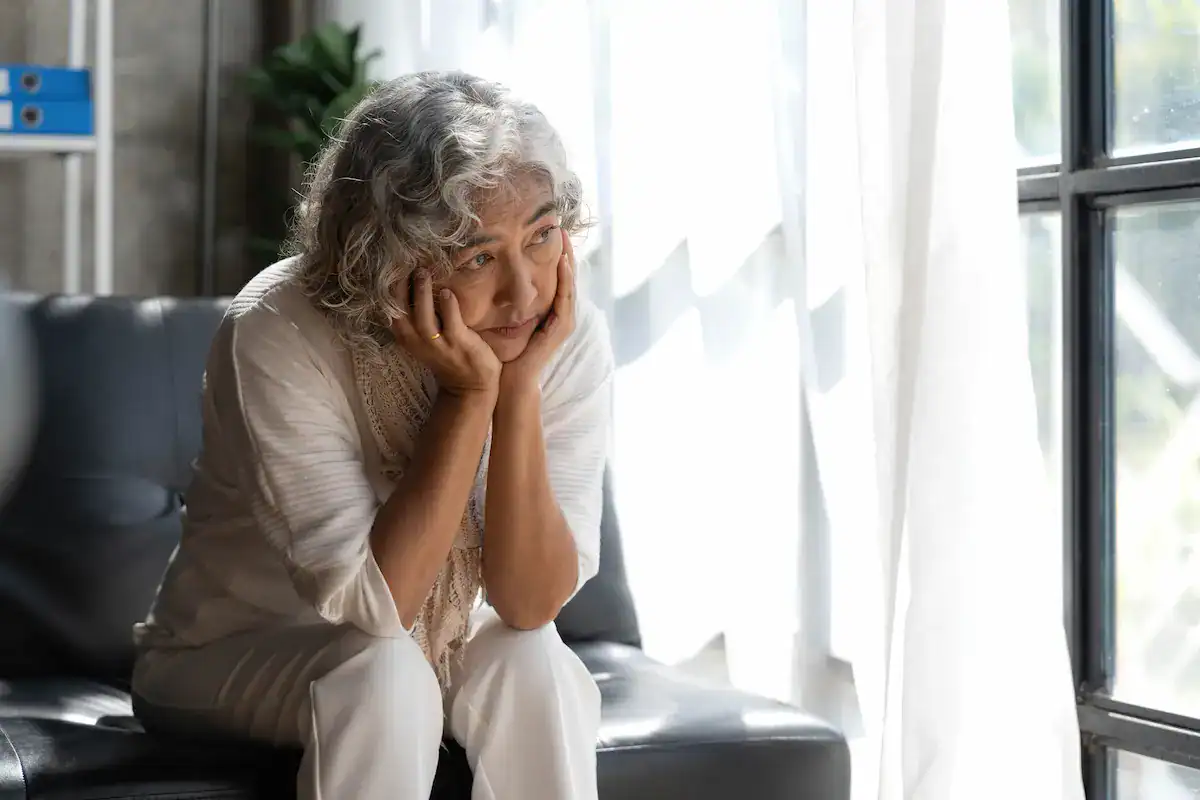
Confusion, difficulty concentrating, and a decline in previous performance are just a few possible signs of depression. If you notice any of the symptoms listed in the table below, see a doctor.
| Cognitive Indicator | Manifestation in Older Adults | Impact on Daily Life |
| Memory impairment | Forgetting recent events | Difficulties in managing affairs and responsibilities |
| Decreased concentration | Difficulties maintaining attention | Slowing down in performing routine tasks |
| Weakened decision-making | Hesitation, indecisiveness | Problems in everyday and social situations |
| Slow thinking | Taking a long time to think about simple questions | Decreased activity and initiative |
The severity of depression is determined by how much its symptoms interfere with daily life. Symptoms can make you avoid important events or even the simplest tasks. Severe forms of depression are accompanied by serious sleep disturbances, constant irritability, loss of interest in usual activities, feelings of hopelessness, and obsessive negative thoughts. Sometimes, thoughts of death or even psychotic symptoms such as hallucinations and delusions may occur. In such states, a person loses the ability to care for themselves, refusing to eat, maintain hygiene, and fulfill social responsibilities. Despite the feeling of hopelessness, it is crucial to see a doctor because there are treatments that can help cope with even severe manifestations of depression and restore quality of life.
If you experience early symptoms of depression and sudden mood swings, you should consult a doctor. It is not worth delaying treatment, as this negatively affects a person's quality of life. They suffer, and in the long term, the symptoms will only worsen. At times like these, professional support and regular monitoring are important.
Can depression affect sleep?
Yes, it often leads to insomnia, where a person has trouble falling asleep or wakes up too early, which increases fatigue and reduces quality of life.
Why do older people sometimes avoid socializing?
Depression can cause social withdrawal, when a person gradually distances themselves from friends and family.
Can depression affect one's perception of the future?
Yes, it fosters a sense of hopelessness, erodes faith that things will improve, and creates the impression that no positive changes lie ahead.
How does depression affect creativity?
A person loses their inspiration, stops engaging in art or hobbies that once brought them joy, and feels a sense of emptiness instead of ideas.
Can depression affect the perception of color and sound?
Sometimes the world seems dull, sounds are irritating or perceived as too loud, which intensifies the feeling of alienation from the surrounding environment.