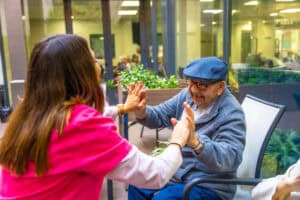
Being a care assistant means being responsible for a range of tasks. One day, a person may need to visit the doctor, and the next day, they may need help with light cleaning. Clearly, a family caregiver definition will help make this role more manageable.
Family caregivers are those who support pensioners, people with illnesses, or people with disabilities. They help with daily routines, taking medication, mobility, hygiene, and so on. The range of their duties can be adjusted to suit each individual.
A caregiver is someone who will always be there when needed. Their schedule can be tailored to the family's needs and capabilities. For relatives, this is an opportunity to ensure their seniors are always doing well.
The duties of a caregiver may vary depending on what a person needs today. The main task is to observe and monitor so that the person under care feels physically and emotionally comfortable. This may require:
This role requires effort and the simultaneous fulfillment of several roles.
Home care includes performing ADLs and IADLs. ADLs are basic tasks that include dressing, maintaining hygiene, and supporting physiological needs. IADLs are more complex tasks, including preparing meals, managing finances, taking medication on time, etc.
If the ward is unable to chew, appropriate food is prepared for them. Caregivers monitor not only food preparation but also product expiration dates. They can go shopping with the ward, ensuring complete safety.
A personal care plan is developed that takes into account each person's individual needs. Family caregiving roles and impacts are significant here, as they assist with daily routines. For example, they help individuals get to the bathroom. If a person cannot wash themselves independently, they are supported in doing so.
Family caregiver responsibilities may include monitoring certain medical processes. These include:
Caregivers understand the importance of doctor's appointments, so they can keep files with medical histories and visit reports. Thanks to them, it is easier to monitor and improve health.
To simplify medication management, they can use special mobile applications or keep records. Caregivers also frequently communicate with healthcare professionals and strive to follow their recommendations.
Communication and support from caregivers help maintain mental health. This aspect may be underestimated, but it helps to get rid of depression and anxiety.
People with disabilities or retirees may feel isolated. Home care allows them to restore their self-esteem and feel socialized again. In addition, caregivers will support their ward's hobbies, take them for walks, and create joint activities.
Caregivers can quickly spot signs of emotional exhaustion when they occur. Early detection and elimination of these signs will allow you to return to healthy sleep, well-being, and happiness.
Various methods are used to lift the mood. For example, sensory games, light physical exercise, or watching movies. To maintain a social life, the ward can attend certain events together with the caregiver.
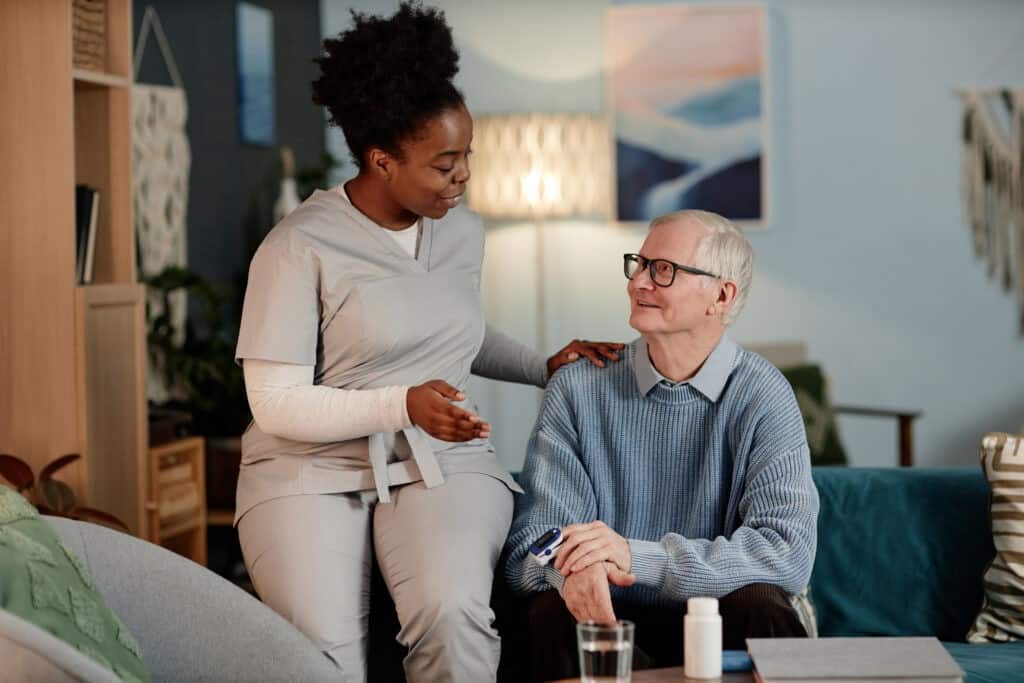
Home care makes a significant contribution to many areas. Let's take a closer look at its advantages.
| Benefits | Description |
| Preserving independence. | Home care allows you to remain in familiar surroundings and perform certain activities independently. There are always options available. |
| Improved health. | The family guardian monitors the well-being of the ward and immediately notifies medical staff if there is a change in condition. |
| Financial savings. | Home care is more cost-effective than nursing homes, but no less effective. |
Home care is a priority for safety and accessibility. Caregivers will ensure comfortable conditions to reduce the risk of falls, burns, and other mishaps.

One challenge caregivers may face is burnout. In this regard, it is important to immediately agree on comfortable working conditions, a decent salary, and set boundaries. The schedule can be agreed upon with the family, choosing the best option for both parties.
Some people only need respite care, so a caregiver is only needed for a certain period of time. During this time, the ward may become accustomed to constant support, making it more difficult for them to part ways.
Caring for another person can be emotionally challenging, so it is important to prepare for this. Caregivers may experience overload, and exhaustion, and, in some cases, even loneliness. To cope with this, you need to find ways to switch to other interesting activities and relax.
The main preparation for home care is making a plan. It should strike the right balance between responsibility and relaxation. Set realistic goals, but don't forget to take care of yourself.
Create a support system from within the family. The relatives of the person being cared for should also be involved in the time they spend together. If you need additional help, always let us know and always communicate your needs.