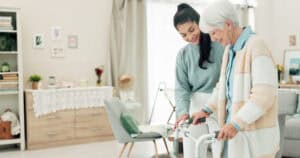
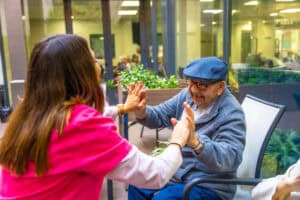
Caring for sick or elderly people requires patience and attentiveness. When starting out in this profession, it is important to develop both your knowledge and your character. All the necessary expertise comes with experience, so the main thing is to have a desire to help people and be dedicated to your work.
Caregivers possess skills that a typical patient's relative does not have. They are well-versed in:
A caregiver must adapt to the lifestyle of the person they are caring for. This will have a positive impact on their interaction and the comfort of the patient.
First, every caregiver should take the time to get to know their patient. To do this, it is helpful to ask the patient's family questions about what the patient likes, how they live, and what they may be suffering from. It may take time for you to get used to each other, so show empathy and understanding.
To provide the right support, you need to make the right plan. If it is a pensioner who has no difficulties with mobility and taking medication, a caregiver may be needed to maintain their well-being. Keep an eye on the daily schedule and hobbies, and try to suggest something interesting for your senior.
Having a plan ensures that you will not forget anything. This is especially important if you need to perform procedures to help someone recover from injuries or get well. You can sort tasks into categories - indicate when you are doing household chores, when you are performing medical duties, and when you are relaxing.
Caregivers who take on too many responsibilities can burn out. Therefore, it is important to maintain regular contact with the family and discuss all details in advance. Communication is the key to proper care, so if you have any questions, consult other professionals, doctors, etc.
A caregiver can be considered an intermediary between the patient and the doctors. She also performs certain medical duties, so the quality of treatment may depend on her. It is recommended to follow each piece of advice in the table below.
| Request written instructions | Don't rely solely on your memory when it comes to health matters. |
| Keep notes on the patient's condition. | Write down changes, results, and even questions that you can later ask other doctors. |
| Keep a medical file | Keep everything important in it - from test results to doctors' contact information. |
The organization of all records can be useful at any time. Such a responsible approach is guaranteed to be encouraged.

Regularly assisting another person requires attentiveness. Caregivers bear a heavy responsibility, so they need to be able to relax and take a break from their daily tasks. This will help you avoid stress and not get tired from work.
Taking care of yourself in any profession leads to productivity and a desire to perform your duties well. By not forgetting about yourself, you can reduce stress levels and increase energy levels. You will also feel an improvement in your vitality and endurance.
The type of rest and recovery after work depends on your preferences. Among the most popular are:
You can combine them or regularly try something new.
Compassion for one's patients can cause anxiety, which also needs to be dealt with. A psychologist can help with this. Try meeting with a specialist from time to time and sharing your experiences. Alternatively, you can try meditation.

When starting your career as a caregiver, be prepared for various challenges. Don't try to work around the clock; instead, create a schedule that suits your capabilities. If a patient needs 24/7 support, take turns with your colleagues.
Remember that your mission is very important. It helps people, so it deserves respect. But don't forget that you need to think not only about others, but also about yourself. Set aside time for rest, and then get back to performing your duties even more effectively.