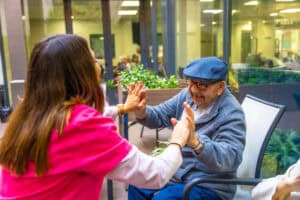
Chronic diseases are long-term conditions that can usually be kept under control but cannot be completely eliminated. They have a particularly severe impact on older people, as they require constant attention and care. To maintain activity and a decent quality of life, it is vital to manage such conditions competently. Home health care services can help with this by providing support and helping to cope with everyday difficulties.
People who receive medical care at home often have several chronic conditions. However, among patients over 65 covered by Medicare, a specific group of the most common conditions is most prevalent. These include Alzheimer's disease and other forms of dementia, depressive disorders, heart failure, chronic kidney disease, and diabetes mellitus. Coronary artery disease, arthritis, obesity, high cholesterol, and hypertension are also common.
One important task in managing chronic conditions is to provide employees with sufficient knowledge about the consequences and characteristics of these diseases. Medical staff should not only understand the basic characteristics of each chronic condition but also how the disease typically progresses, from initial manifestations to more severe and later stages.
The support program for people with chronic diseases is aimed at those who live with several long-term diagnoses that have lasted for a year or more. Its goal is to create a care system that helps people cope with daily difficulties, stabilize their condition, and improve their quality of life.
Home care for chronic illnesses is comprehensive support that helps people live more comfortably and safely. Main areas:
All of this together provides comprehensive care and improves patients' quality of life.
Chronic home health care is a comprehensive care system that allows people to remain in their familiar surroundings while receiving the support they need. Caregivers help with medical tasks, monitor health, ensure medication is taken, and facilitate daily activities. This makes life more comfortable and independent, and the care plan takes into account not only the physical manifestations of the illness but also emotional and social needs, creating a harmonious space for a fulfilling life.
Home care nurses provide constant attention to the condition of elderly people with chronic diseases. They monitor health indicators, ensure that medication is taken on time, and notice any changes in well-being. This allows quick response to potential complications and maintenance of the patient's stable condition.
When organizing home care, caregivers create personalized plans that are tailored to the specific needs of the elderly person. It covers not only medical appointments but also the usual aspects of lifestyle, preferences, and the home environment. This makes care feel more natural and comfortable, and the patient receives support that takes their individuality into account. In the context of how to manage chronic conditions, it is precisely this kind of comprehensive and flexible plan that helps to effectively cope with the disease.
Recovery from surgery, injury, or long-term treatment of chronic diseases often requires special attention, especially if it is difficult for a person to visit clinics. In such cases, home care is a convenient option: physical therapists and nurses provide rehabilitation in the patient's familiar environment, making the process less stressful and more effective. They use various methods to relieve pain and speed up recovery:
Specialists help patients gradually return to their usual activities, maintain physical function, and reduce discomfort.
When providing home care, caregivers create a safe and comfortable environment that helps people with chronic illnesses feel more confident. They ensure that the space is organized to reduce the risk of falls and injuries, help with taking medication on time, and monitor health using the necessary devices. Caregivers support the independence of older adults by making everyday tasks easier and providing the attention and care that directly impact quality of life.
How to manage chronic illness at home? Find a reliable agency and discuss all the details. They will draw up a personalized plan that will improve the person's condition.
Although care is not provided in a hospital, the plan is developed in consultation with doctors. They perform diagnostics and can help with instructions for caregivers.

Caregivers help older people use digital solutions right at home. They arrange telehealth consultations so patients can communicate with their doctors without traveling. They monitor health apps that record symptoms, activity, and medication schedules. They installed panic buttons and wearable devices, so help is available immediately in an emergency.
In the home health care system, caregivers serve as primary caregivers for elderly people with chronic illnesses. They support patients, monitor changes, and communicate with other parties. If necessary, they contact medical specialists.
To avoid mistakes, you first need to know what they might be. To do this, refer to the table below.
| Pitfall | Description | How to Avoid |
| Conflict of Interest | Personal interests interfere with objectivity and fairness at work | Establish transparent rules, report potential conflicts in advance |
| Overconfidence Bias | Overconfidence in one's own decisions, ignoring risks | Verify data, consult with colleagues, use independent assessments |
| Anchoring Effect | The strong influence of initial information on subsequent decisions | Compare several sources and avoid hasty conclusions |
Comprehensive care is especially valuable for people living with chronic illnesses. Home care makes the process more accessible and convenient by combining medical support with attention to emotional well-being. Patients receive not only treatment, but also care that helps them cope with psychological stress.
What does companionship in care provide?
Caregivers provide communication, attention, and emotional support, reducing feelings of loneliness and fostering a sense of trust and calm in the patient.
How is health monitored?
Regular measurements of blood pressure, blood sugar, and other indicators allow changes to be noticed in time and to consult a doctor if necessary.
Is it possible to receive assistance at night?
Yes, home health care services are often available around the clock to provide safety and support at any time of the day.
How is patient mobility supported?
Caregivers assist with exercises, use assistive devices, and encourage activity to maintain or restore motor function.
How is home safety ensured?
Caregivers remove unnecessary items, monitor lighting, help install handrails, and use monitoring devices to prevent falls and injuries.