
Living with a loved one with Alzheimer’s or another type of dementia is not easy. People with dementia have special needs that go beyond what most families can provide. A Pennsylvania home care assistance agency can help with those needs, taking the stress off your shoulders.
Many families try to take care of loved ones with Alzheimer’s and dementia, but their symptoms will become more extensive over time. Relatives may be unprepared to deal with their emotional and physical requirements. Families may also find caregiving responsibilities taking over their lives, impacting their social and financial needs.
The time may come when they must decide to check their loved one into a facility or get help from a Pennsylvania home care assistance agency. An assistance agency is typically a better choice as it allows loved ones to age in a familiar environment, reducing stress and anxiety.

A Plus offers optimal care for clients with Alzheimer’s and dementia. Our team of skilled nurses provides highly customized care suited to your loved one’s needs. We are Medicaid-approved to work with the state to offer low-cost options.
Contact us to ensure a high quality of life for your loved one.
There comes a time in many families' lives when they must decide if home care is the right move for their loved ones. The decision should not be made lightly. After all, home care is an added expense that will greatly impact your loved one’s life.
However, certain signs will tell you it’s time. You may notice your loved one can’t care for themselves, and their care needs may exceed your capabilities. This article will provide factors to consider when determining if home care in Bucks County is right for your loved one.
You may notice your loved one has trouble taking care of themselves. Their homes may be dirty, and they need help keeping up with self-care. They may be too embarrassed to discuss these limitations, but inside, they are likely depressed and dealing with low self-esteem due to their reduced functionality.
Relatives may be able to step in and help with self-care, but things can get more complicated if a loved one is dealing with advanced medical conditions that interfere with their ability to complete daily tasks. A caregiver may be your best option.
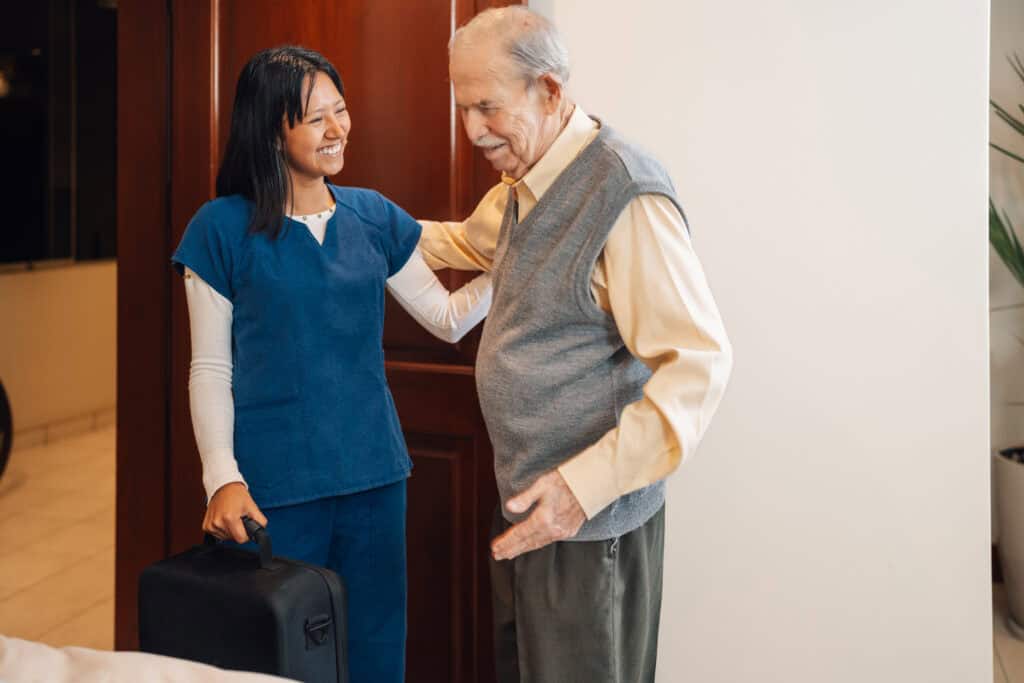
Family caregiving isn’t easy. Relatives who take on caregiving responsibilities often feel stressed out and isolated. They may face financial difficulties because they must miss work to provide care.
A caregiver can take the burden off the family caregiver’s shoulders. They may be an added expense, but the mental and physical health benefits are worth the cost.
Family caregivers may be able to step in and provide care if their loved one is dealing with mobility issues and minor disabilities. However, more advanced conditions, like heart disease, dementia, Alzheimer’s, and diabetes require specialized care that family caregivers are not trained to provide.
A skilled caregiver will understand how to treat and work with these conditions. They can provide vital sign monitoring and other services to ensure your loved one follows doctor’s orders and stays healthy. These workers will help your loved one maintain an optimal level of health.
Seniors often suffer from depression and isolation as they age due to loved ones dying and declining health. Relatives may provide care and companionship, but many have busy lives and can’t spend much time with their loved ones. Caregivers are paid to provide companionship care helping improve your loved one’s mood.
Have you decided home care in Bucks County, PA is the right move for your loved one? A+ Home Care can help. We offer various services from basic to skilled home care. Our agency is Medicaid approved providing affordable home care options.
Contact us to apply for home care today. Our skilled caregivers will ensure your loved one enjoys a high quality of life.
This guide highlights the core competencies every home care assistant must develop to deliver exceptional care, particularly for those seeking home care services in Pittsburgh, PA. In addition to compassionate and empathetic support, essential skills include professional reliability, physical stamina, and expertise in managing medical conditions. Effective communication, keen attention to detail, and adaptability are vital for ensuring clients' health and well-being while fostering trust with families. A+ Home Care provides skilled, dedicated caregivers to offer customized in-home care services, ensuring comfort, safety, and peace of mind for clients and their loved ones.
Empathy and Communication: Home care assistants must possess strong communication skills and deep empathy to build trust, understand the client’s unique needs, and create a comfortable environment for elderly and disabled individuals.
Medical Knowledge and Attention to Detail: To respond effectively and provide accurate care, caregivers must have a strong understanding of common health conditions, medication management, and signs of health complications.
Physical and Emotional Resilience: Providing in-home care requires physical stamina to assist with mobility and emotional resilience to handle challenging situations with patience and professionalism.
Adaptability and Problem-Solving: It is essential to be able to adapt to each client’s unique needs and solve daily care-related challenges, especially for clients with specific conditions like dementia or mobility limitations.
Commitment to Safety and Independence: Home care assistants play a critical role in supporting clients’ independence while maintaining a safe environment, making it essential for caregivers to prioritize both security and comfort.
Knowledge of Family-Centered Care: Involving family members in caregiving not only comforts clients but also helps offer a familiar, supportive setting that improves overall well-being and satisfaction.
At A+ Home Care, Home care services are an essential part of healthcare, especially as individuals grow older, face health challenges, or live with disabilities. The demand for home care in Pittsburgh, PA, continues to rise as more families seek high-quality, compassionate care for their loved ones. Whether someone requires non-medical home care or 24-hour in-home care in Pittsburgh, PA, the role of a home care assistant is critical in ensuring the comfort, safety, and well-being of clients. In this comprehensive guide, we will explore the key skills every home care assistant must master to deliver the best care possible.

Compassion is a cornerstone of exceptional home care, particularly when assisting elderly, ill, or disabled individuals. Beyond basic tasks, caregivers must connect with clients on an emotional level, providing comfort, reassurance, and understanding. Whether caring for a loved one with dementia, managing the complexities of Alzheimer's, or supporting elderly clients through the emotional transition of needing assistance, empathy creates a nurturing environment where clients feel valued and secure.
One of the most important skills a home care assistant can possess is compassion. Working closely with individuals who are elderly, ill, or disabled requires empathy and a deep understanding of their emotional and physical needs. Compassion allows caregivers to offer comfort and reassurance to clients, especially those who may be struggling with isolation, loss of independence, or physical ailments.
For example, providing in-home dementia care services requires a unique approach that balances patience and sensitivity. Dementia patients often experience confusion and agitation, and caregivers who can demonstrate empathy create an environment that helps them feel secure and understood. When caregivers listen attentively to a client’s concerns, validate their feelings, and provide emotional support, it significantly improves the quality of care provided.
The relationship between a home care assistant and their client is built on trust, and empathy is the foundation of that trust. Caregivers who can relate to their client’s feelings and experiences will be more effective in addressing their needs. This could mean offering companionship to elderly clients, helping with their daily routines, or simply listening when they need someone to talk to. For clients with Alzheimer's care needs, a caregiver’s empathetic approach can help alleviate confusion and provide a sense of stability and comfort.
At A+ Home Care, many clients, including older people with special needs, have enjoyed years of independence, and the transition to needing care can be challenging. An empathetic caregiver can make this process smoother by treating the client with dignity and offering support during this emotional transition.
In home care services, trustworthiness and consistency are paramount. Families rely on home care assistants to provide dependable and compassionate support for their loved ones, often over extended periods. Caregivers must not only be punctual and reliable but also adhere strictly to care plans to ensure the well-being of their clients.
This includes managing daily tasks like medication schedules, mobility assistance, and personal hygiene—any lapse in care can result in significant health risks. Beyond reliability, professionalism is crucial. Home care assistants must maintain appropriate boundaries while fostering effective communication with both clients and their families. Clear, respectful dialogue ensures trust and transparency, which are essential for a successful caregiving relationship.
Reliability is a cornerstone of home care services. Families often trust in in-home care assistants to care for their loved ones, sometimes for extended periods. Home care assistants must be dependable, show up on time, follow care plans, and consistently meet the needs of their clients. Whether a client requires 24-hour home care or only a few hours a day, the caregiver must be reliable in providing the necessary care.
For example, during home nursing care, caregivers may be required to manage medications, help with mobility, and provide personal hygiene assistance. If a caregiver fails to follow a medication schedule or does not assist with daily activities in a timely manner, it can lead to serious health issues. Clients and families must feel confident that the caregiver will consistently provide the needed services.
Professionalism also includes maintaining appropriate boundaries. A home care assistant should be friendly and respectful but also aware of the need to maintain a professional relationship with clients. Respecting the client's personal space, preferences, and privacy is vital.
Additionally, caregivers must communicate effectively with clients and their families. Regular updates, clear communication, and attention to detail regarding care routines can help foster trust and ensure that all parties are informed. Whether explaining a change in a client's condition or adjusting a care plan, maintaining open lines of communication is essential for a successful caregiving relationship.
In home care, one of the most critical aspects of providing comprehensive support, is assisting clients with physical mobility. Many elderly individuals face challenges in performing everyday activities, such as getting out of bed, sitting in a chair, or walking, and require additional help to navigate their surroundings safely. Caregivers' physical stamina plays a pivotal role in ensuring these tasks are completed without risk of injury. Beyond mobility support, caregivers also assist with personal hygiene, light housekeeping, and the proper use of medical equipment. With specialized training in safe lifting techniques and assistive devices, home care professionals can provide essential care while maintaining the safety and comfort of their clients.
A major aspect of home care is assisting clients with physical activities, particularly when they experience difficulty moving or require mobility aids. Physical stamina plays a vital role for home care assistants. Many elderly individuals need help getting out of bed, sitting in a chair, or walking. The ability to assist with these tasks safely and efficiently ensures that the client feels supported without risking injury.
Caregivers may also assist with light housekeeping duties, such as cleaning after meals, and help clients with personal hygiene tasks, including bathing, dressing, and toileting. Care providers' roles extend from using medical equipment and oxygen tanks to ensuring the safety of patients with mobility challenges while positioned in bed.
Home care assistants need to understand how to safely move clients to avoid injury to both themselves and the client. Lifting and moving people who have limited mobility can be physically demanding. With proper training in lifting techniques, caregivers can avoid strain or injury.
For example, a home care assistant working with a client who requires Alzheimer's care may need to help them move around the house or assist with personal care tasks like toileting. In such cases, proper lifting techniques and the use of assistive devices can minimize the risk of injury.
Effective communication is essential in home care. Caregivers need strong skills to provide quality care and keep families informed. Tailoring communication for clients, especially older people and those with dementia, involves using clear language and demonstrating patience through non-verbal cues like eye contact and a calm tone. Additionally, open communication with families is crucial, as it builds trust through timely updates on their loved ones' conditions.
A home care assistant must have excellent communication skills, as caregivers are often the primary point of contact for clients and their families. Whether you are providing elderly care in home or offering in-home dementia care, clear communication is key. It's about more than just speaking clearly but also being able to adjust your communication style to meet the specific needs of the client.
For example, individuals with Alzheimer's disease or other cognitive impairments may have difficulty understanding complex sentences or remembering recent conversations. Caregivers must communicate in simple terms and give clients time to process information. Non-verbal communication, such as making eye contact and using a calm tone, can also enhance understanding and comfort.
In addition to communicating with clients, home care assistants also need to maintain regular communication with family members. Families often want updates on their loved one’s condition and progress. By documenting key observations and sharing them in a timely and clear manner, caregivers help keep families informed and involved. Regular feedback helps families feel confident that their loved ones are being cared for appropriately.
Understanding medical conditions is crucial for providing exceptional home care for older adults and those with chronic conditions. Home care assistants must manage medications, monitor vital signs, and assist with mobility to enhance comfort and prevent complications. Specialized knowledge in conditions like Alzheimer’s, Parkinson’s, diabetes, and cardiovascular issues allows caregivers to address unique challenges and ensure high standards of care.
Home care assistants should have a foundational understanding of medical conditions, especially those that are common among older people. This is particularly important for those providing home nursing or dementia care at home. Understanding medical conditions allows caregivers to manage medications, monitor vital signs, and assist with mobility in ways that promote comfort and prevent health complications.
For instance, Alzheimer’s care involves understanding the progression of the disease and knowing how to handle symptoms such as memory loss, confusion, or aggressive behavior. Specialized knowledge of Parkinson's disease, diabetes, or cardiovascular conditions is equally important when assisting clients who have specific medical needs.
Many home care assistants pursue certifications to enhance their expertise and care delivery. Training programs for non-medical home care generally cover managing specific health conditions, administering medications, and offering both physical and emotional support. Caregivers who pursue certifications often provide a higher standard of care because they are better prepared to handle the complexities of their clients' needs.
Effective time management and organizational skills are vital for home care assistants, especially in 24-hour care. Caregivers must balance personal care, meal prep, chores, and medication management while meeting each client’s unique needs. Those who excel in these skills maintain structured schedules to prevent burnout. Flexibility is also key for adapting to unexpected situations, like a client's sudden health decline, ensuring high-quality care.
Effective time management is crucial for home care assistants because they often work with clients who have a variety of needs. A caregiver may need to provide personal care, prepare meals, assist with household tasks, and ensure medications are taken at the proper time. Juggling all of these responsibilities requires strong organizational skills and the ability to prioritize tasks.
For caregivers providing 24-hour in-home care services, the ability to create and maintain a structured daily schedule ensures that everything gets done while avoiding burnout. Time management allows caregivers to work efficiently without feeling overwhelmed, ensuring that clients’ needs are met promptly.
Caregivers must also be adaptable to evolving client needs, as these may change unexpectedly. For instance, if a client experiences a sudden health decline, the caregiver must adjust both the care plan and schedule accordingly. Flexibility is an essential skill for managing unexpected situations while maintaining high-quality care.
Effective home care involves more than just daily assistance; it requires keen observation skills. Home care assistants are essential in monitoring clients, particularly those with Alzheimer's or chronic illnesses. By spotting subtle changes in mood, appetite, or physical condition, caregivers can identify health issues early, leading to quicker interventions and improved outcomes. This attentiveness enhances care quality and keeps families informed for timely healthcare decisions.
Another essential skill for home care assistants is a keen sense of observation. Many clients rely on caregivers to monitor their health and report any changes. Whether the client has Alzheimer's care needs, chronic conditions, or age-related health issues, caregivers must be attentive to small changes that may indicate a worsening condition.
For instance, noticing a change in a client’s mood, appetite, or physical appearance could be an early sign of an infection or other health concerns. By paying close attention to these changes, caregivers can help detect issues early, which can lead to better outcomes for the client.
Observant caregivers can provide valuable feedback to families and medical professionals. By documenting changes in behavior, symptoms, or general health, caregivers ensure that families are aware of their loved one’s condition. This can help families make informed decisions about whether to seek additional medical care or adjust the home care routine.

A skilled home care assistant should be familiar with the resources available in their community, such as healthcare providers, support groups, and government programs. In Pittsburgh, many families rely on home care services to assist elderly loved ones. Caregivers who understand the resources available to their clients, such as Medicaid waiver programs, can provide valuable guidance to families seeking additional support.
For example, A+ Home Care, a leading provider of in-home care services, partners with local organizations and health services to ensure that clients have access to everything they need, from financial assistance to medical referrals.
Home care assistants must be flexible and adaptable, as clients’ needs often change. Whether due to age, medical conditions, or other factors, a caregiver may need to alter the care plan regularly. For instance, a client with Alzheimer’s care may require more assistance as their condition progresses. A caregiver must be prepared to adjust their approach accordingly, ensuring that the care provided is always appropriate for the client’s current situation.
Flexibility is essential in handling unexpected situations, such as changes in a client’s health or scheduling conflicts. Home care assistants who can adjust quickly and continue to provide the highest quality care in these circumstances are more effective in their roles.
Working as a home care assistant can be emotionally demanding, especially when caring for clients with chronic conditions or at the end of their lives. A caregiver must have the emotional resilience to manage difficult situations without becoming overwhelmed. This is especially true when working with clients in Alzheimer’s care or those who are dealing with terminal illnesses.
Caregivers who can effectively manage their emotions are better able to comfort and support their clients and families. Having a strong support network, seeking guidance from colleagues, or using stress-relief techniques can help caregivers maintain emotional balance.
A+ Home Care assistants play a vital role in providing high-quality, compassionate care for clients who need assistance in their daily lives. From compassionate care to physical stamina, each skill discussed in this blog is critical to clients' well-being.
Whether seeking non-medical home care or specialized services such as dementia care in Pittsburgh, the right caregiver will possess these essential skills to ensure your loved one receives optimal care.
If you or a loved one are seeking home care services in Pittsburgh, PA, contact A+ Home Care at (412) 737-0284 or [email protected] for personalized care that meets your needs. Our dedicated team of professional caregivers is here to help, offering services from in-home senior care to 24-hour home care in Pittsburgh, PA. Let us help you ensure your loved ones receive the highest quality care.
As seniors age, they often require additional care. Relatives may decide to hire a professional caregiver in Pittsburgh, PA. Caregivers help seniors complete daily tasks, improve wellness, and live more independently.
Families must choose caregivers wisely. Their caregiver should be compassionate and attentive. They must offer the services your loved one requires.
For most families, the most important thing is finding a compassionate caregiver. They want their loved ones to feel comfortable and cared for when receiving care.
Most agencies say they offer compassionate caregivers, but families should interview providers to form their opinions. They will get an idea of the caregiver’s demeanor to determine how they will interact with their loved one.
Home care is expensive. Many families will consider the cost of care when making their decision.
Fortunately, many Pennsylvania caregiver agencies work with the state’s Medicaid program to provide affordable care. Some even offer programs that allow relatives to get paid to care for their loved ones, an option that saves money and ensures relatives are in good hands.
If you don’t qualify for Medicaid, find out about pricing and if the agency works with your insurance.

Seniors require different levels of care. Some need assistance with everyday tasks. Others may require a higher level of care for disabilities and other medical conditions.
Determine if the caregiver provides the level of care your loved one needs. Some caregivers undergo specialized training to handle special needs. Inquire about their background to decide if they are the best home care option.
Regardless of the level of care your loved one requires, you always want a caregiver who’s trained and experienced. Inquire about their training including any certifications they may hold. Find out about their hands-on experience dealing with seniors, particularly those with similar needs to your loved ones.
Your loved one may require part-time, full-time, or round-the-clock care. Ensure the caregiver can meet your scheduling needs. You may also inquire about their availability for last-minute appointments and emergencies.
You may want to run a background check on a caregiver to ensure they provide a safe environment for your loved one. If you hire through an agency, likely they have already conducted background checks on their caregivers saving you the trouble.
If your loved one requires advanced mobility assistance, height and weight are important factors. The caregiver must be strong enough to break falls and transfer wheelchair-bound and bedbound patients. They should also be familiar with the proper techniques needed when transferring patients.
A Plus will help you find the right caregiver for your loved one. We offer home care and home health care to meet various care needs. Our facility is Medicaid-approved. We can assist with enrollment and train relatives to get paid to care for loved ones.
Contact us to learn more about our caregiver Pittsburgh, PA services.
Families often need assistance when caring for loved ones with disabilities. It can be difficult to provide the necessary medical care and assistance for evolving needs. Caregivers also struggle to balance caregiving with social and work-related activities. Fortunately, options are available for home care for people with disabilities in Pennsylvania.
The state offers Medicaid programs that allow residents to access reliable care. These programs help ease the responsibilities many family caregivers face.
Many families choose to provide care for their loved ones. It’s a money-saving option and you can feel confident that your relative will be treated with care and respect.
However, caregiving can be stressful. It limits your ability to focus on other family members. You may also need to take time off work to provide care, which presents a financial burden.
Professional care is available for individuals with disabilities. Many agencies provide comprehensive care including basic home care and home health care. They offer full-time, part-time, and respite care following your scheduling needs.
However, agencies are expensive. Many families cannot afford them. Fortunately, the Pennsylvania government provides programs that make care more affordable.
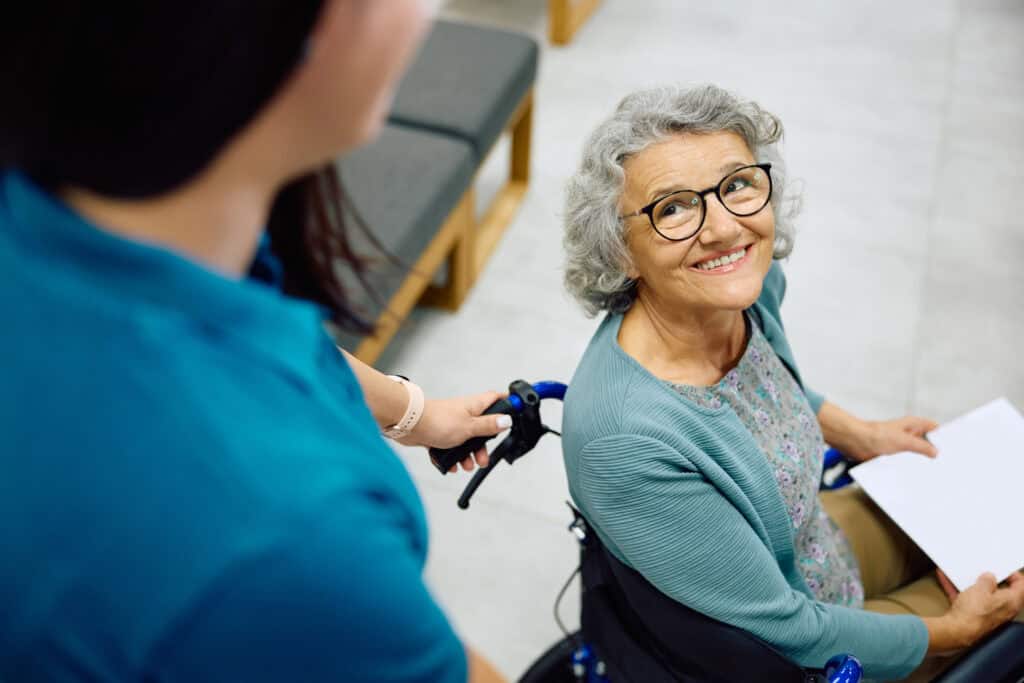
Pennsylvania’s Medicaid program offers a Home and Community-based Services (HCBS) waiver which waives healthcare fees for individuals with disabilities. It aids with skills development, transportation, general, and respite care. It allows older adults and people with disabilities to receive care at home and live more independent lifestyles.
Individuals must be at least 21 years old and a resident of Pennsylvania to be eligible for the Medicaid waiver. They must also meet clinical and financial requirements as follows.
· Clinical Eligibility: A person is clinically eligible for the waiver if they were diagnosed with an illness, injury, disability, or medical condition that requires skilled nursing or rehabilitation services.
· Financial Eligibility: Individuals are financially eligible for the waiver if their income does not exceed 300% of the Federal Benefit Rate. As of 2024, the person who requires care should not have a monthly income exceeding $2829. Asset limits and exemptions are also considered.
The Medicaid waiver is a helpful resource for families that require assistance, but the enrollment and maintenance process can be tricky. A Plus will be there for you every step of the way. We will walk you through the process ensuring a successful application and continue to oversee your continued participation.
We also train friends and family members so they can care for loved ones. We offer top pay rates, benefits, and comprehensive training.
As a provider of home care and home health care services, we offer various care options. Our dedicated staff will treat your loved one with the care and respect they deserve. Contact us to learn how we can make it easier for families to provide home care for Pennsylvania residents.
When loved ones get older, they may be unable to complete everyday tasks. They may be unable to drive. Mobility issues and medical conditions can also prevent them from getting things done. Senior errand services in Pennsylvania can help.
Senior errand services can assist with various tasks. They can mail packages, wash the car, and even do household chores. They can help family caregivers immensely. However, it’s essential to pick an errand service you can trust.
This article will review what to look for when choosing senior errand services in Pennsylvania to ensure you find one suited to your loved one’s needs.
Some errand services provide the basics. They will run packages here and there, pick up prescriptions, etc.
Others will provide more comprehensive services. They may assist with light housekeeping, car washes, and more. They may provide companionship for your loved one.
Consider your loved one’s needs. Choose an agency that provides the services they require.
The errand service you choose should allow you to tailor your plan as needed. Doing so ensures you are paying for the services you need and not spending extra for unnecessary tasks.
Additionally, caregivers should understand you may want tasks accomplished in a certain way. They should be flexible to adjust to your requirements. Going with the flow will comfort seniors and ensure tasks are completed to your liking.
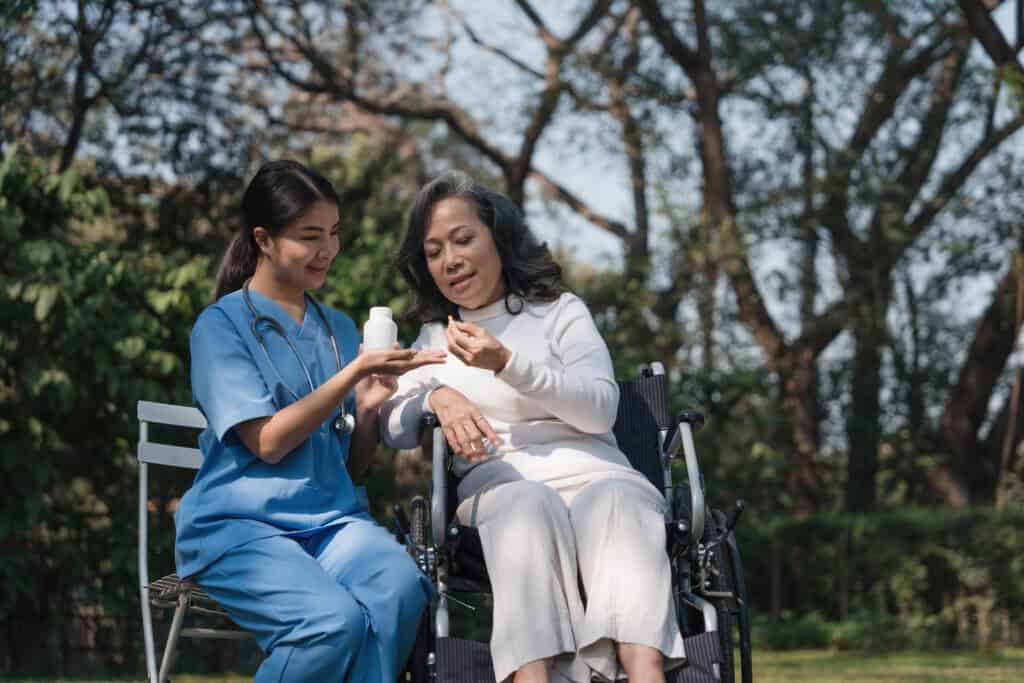
The errand service’s caregivers will develop a relationship with your loved one and your family. They must be trustworthy and reliable.
You can learn about a caregiver’s reliability by inquiring about the agency’s screening process. Caregivers should be background-checked and carefully vetted. The agency must treat your loved one with the utmost care and respect.
Errand services have varying fee structures that will affect the overall cost. It’s best to find a service that charges a flat hourly rate. That way you know exactly how much you are paying and can avoid unpleasant surprises.
Fees should also be affordable and within your budget.
It's essential to work with a company that has a good reputation. They should have positive customer reviews. Their years in business will tell of their ability to handle common issues and provide a high level of customer service.
Research carefully to ensure you are working with a reputable agency.
Senior errand services can be useful for your loved one, but after a while, you may find they need extra care. That’s where A Plus comes in.
A Plus can help loved ones with errands and so much more. We assist with personal care, medication management, meal preparation, and daily living activities. Our skilled caregivers can also provide wound care, injections, vital sign monitoring and medication, and disease education.
Contact us when you’re ready to move on from senior errand services in Pennsylvania. We are here for all your loved one’s care needs.
As the Senior community grows, services associated with them also blossom. People with mobility difficulties, poor eyesight, and cognitive decline can get assistance with daily tasks that might otherwise go by the wayside. This illustrates the importance of Senior Errand Services in Pennsylvania in supporting independence and the quality of life. No one wants to feel like they can’t accomplish even little things.
You don’t think too much about your daily routine, that is, until it gets interrupted. Getting that bill to the post office. Picking up last-minute items for a recipe. Picking up the laundry or medication. These types of things are normal to many people’s weeks.
But what happens when you cannot accomplish them? Everything feels out of kilter. That’s where a caregiver, like those at A+ Home Care, can become a blessing. They can go with you (or take you) to run those errands. At the end of the day, there are no worries.
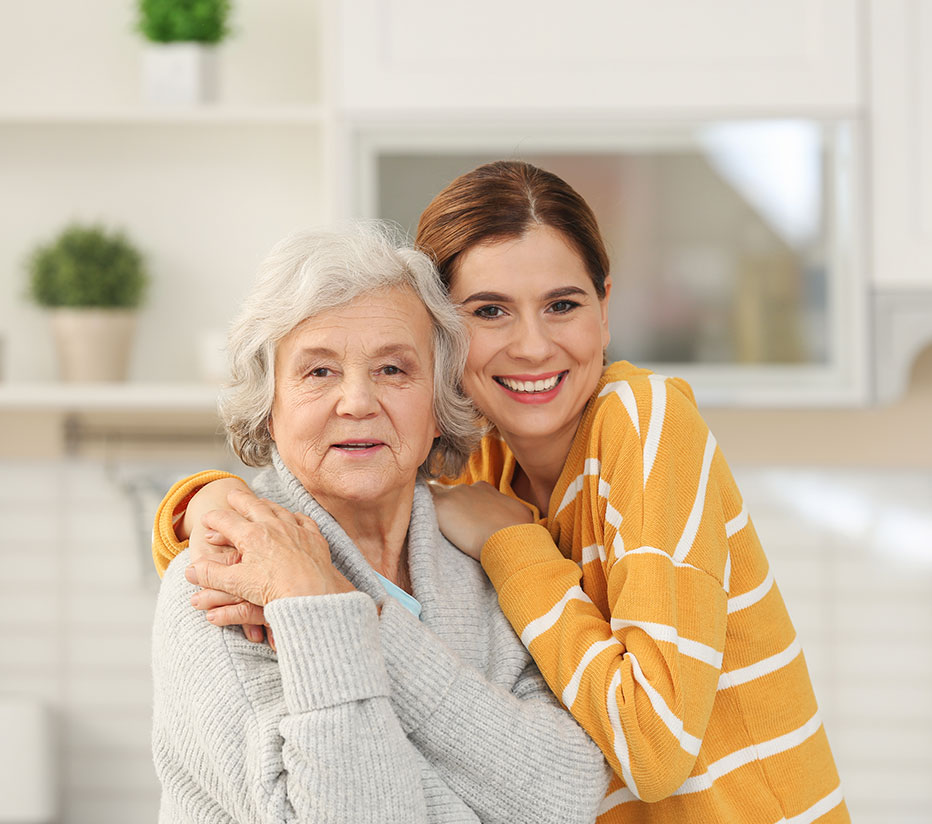
Like everyone else, seniors need access to basic necessities. When it is impossible for them to do something alone, an errand service provides a greater sense of independence. These kinds of offerings may come from an in-home care agency or a dedicated company focused wholly on getting jobs done!
What constitutes errands? Lots of things:
There’s tremendous satisfaction that comes from helping people like this. You’re appreciated. Better still, you contribute to an individual’s dignity, self-assurance, and their quality of life.
First, there are safety factors. Aides and caregivers who drive for seniors ensure they are not at risk due to failing eyesight. Additionally, the companion makes sure an individual gets to the right place. Sometimes, confusion makes remembering directions difficult.
If the errand service takes a person shopping, they can do the heavy lifting. This helps prevent injury, especially for those with arthritic hands or strength issues. The individual’s family doesn’t have to run around, so senior errand services free them up to do other things. Should a senior decide to send a person on a task remaining behind, they too get a little extra time to take care of something around the house - like that pile of laundry needing folding.
Perhaps one of the greatest gifts that stresses the importance of senior errand services in Pennsylvania is companionship. When an individual feels alone, it impacts their mental well-being. Having someone to talk to, exchange ideas with, and generally shoot the breeze lightens a day, combating depression.
If you’d like to learn more about senior errand services, you can use our online contact form, email [email protected], or reach out to any one of our offices:
Central PA: (570) 361-9970
Bucks County, PA (215) 453-7131
Dresher, PA (215) 453-7131
Leigh Vally, PA (484) 222-4035
Pittsburgh, PA (412) 737-0284
Harrisburg, PA (717) 462-1014
TOLL-FREE: 1 833-PAYS-FAM
Your loved one may require assistance as they get older. You must consider which type of care is right for them. Will you care for them yourself, check them into a residential facility, or choose home health care? Many western Philadelphia residents choose home health care Pittsburgh, PA services. It provides mental and physical benefits to seniors. Its flexibility makes it an affordable choice.
Read on to learn more about the benefits of home healthcare services in Pittsburgh, PA.
A caregiver can improve your loved one’s physical health on many levels. They will ensure they eat healthily and get exercise each day. They will provide medication reminders and see that they follow their doctor’s treatment recommendations. They will keep living areas safe to prevent slip and fall accidents.
Many seniors suffer from depression and isolation due to failing health, lost loved ones, and other factors. Caregivers offer companionship, which elevates their mood. They also engage them in hobbies, which boosts their cognition and reduces dementia risks and symptoms.
In-home care is more affordable than residential care. You can work out a plan for part-time care so you don’t need to pay someone to care for your loved one around the clock.
There are also Medicaid programs that allow relatives to get paid to care for their loved ones. Insurance may also cover some of the expenses.
Family members who choose to care for their loved ones deal with excessive stress. They devote so much time to caring for their relatives that they lose income and distance themselves from other family members. A caregiver can take that stress off your shoulders.
You can also train to become a caregiver and get paid to care for your loved one to reduce the financial strain.
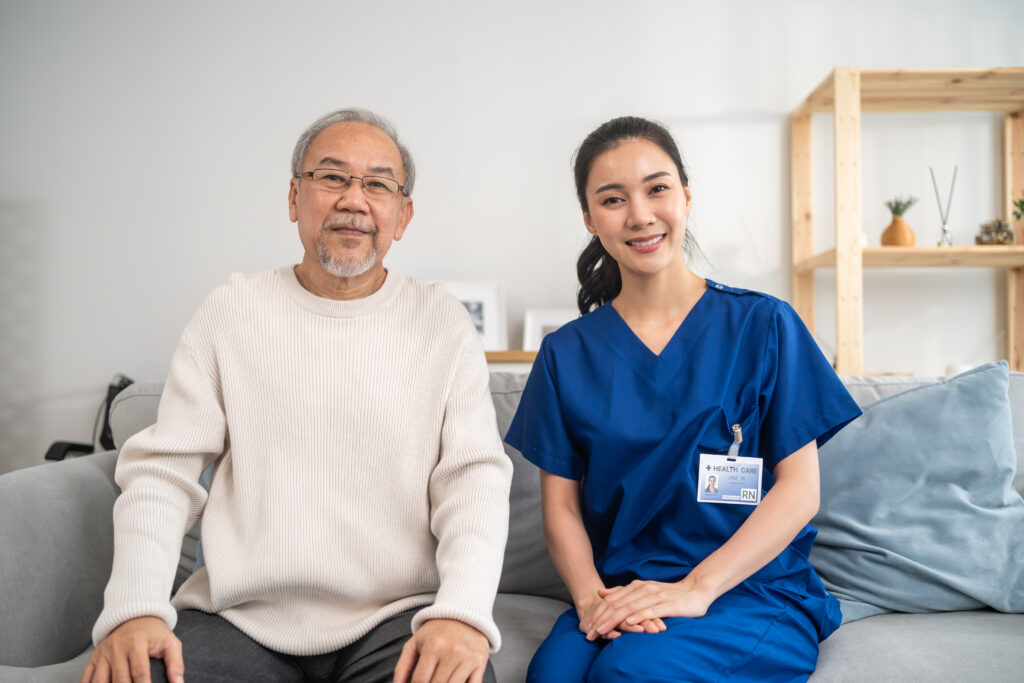
A caregiver will ensure your loved one sticks to their treatment plan. They will assist them in moving around the home and clear messes to reduce the risk of falling. They provide better health outcomes for their clients.
If an emergency happens, they will be there to call a medical team.
Caregivers can act as companions for your loved one. They can also provide transportation to ensure they socialize with others. They can take them to events, workshops, and classes.
Caregivers can also teach their clients to use technology so they can stay in touch with friends and relatives through social media and video chat.
A+ Home Care is an agency that provides reliable home care services Pittsburgh, PA residents trust. We are Medicaid-approved and can train you to become a caregiver for your loved one. A+ Home Care will ensure your loved one gets the care they need with little out-of-pocket expenses.
We also provide a variety of non-skilled home care services. A+ Home Care can assist with daily living, medication reminders, light housekeeping, and meal preparation. Our compassionate caregivers offer companionship to keep your loved one’s spirits high.
Contact us to learn how we can provide your loved one with the affordable care they require.
When loved ones get older, they need extra care. It’s essential to choose the optimal home healthcare agencies. Pittsburgh, PA, families must pick an agency that offers their senior relatives the best care possible.
Asking the right questions can help determine if an agency suits your loved one’s needs. Here are a few that you should include in your interviews.
Caregivers should undergo background checks to ensure they won’t harm your loved one. You may also ask about the certifications the caregivers must hold and the type of training they must take to qualify for a position.
Home care agencies offer a variety of services. Some offer assistance with daily tasks such as self-care, meal preparation, and housekeeping. Others provide more specialized care for dementia, Parkinson’s, Alzheimer’s, etc. Make sure the agency offers the care your loved one needs.
A home care agency should base their caregiver-client matches on more than qualifications. They should find personality matches. They should ensure that the client will get along with their aide.

Caregiver agencies often offer financial options that make it easy for families to afford care. Some work with Medicaid and veteran programs. Others train family members so they can get paid for caring for their loved ones. Insurance and financing can also make care more affordable.
It’s vital to find an agency that offers flexible scheduling. They should offer part-time and full-time care during all hours of the day and days of the week. They should provide respite care as well. These options will allow you to find care that works with your schedule.
Ask the agency for the reference’s contact info. Talk to current and past clients to determine what working with the agency is like.
If a caregiver is insured and bonded, you will not be liable if they do damage while offering care at your home.
In a best-case scenario, the care plan will be a collaborative effort between the caretakers, the doctors, the family members, and the patient.
The agency should have a process for replacing caregivers the patient is not happy with.
You can interview thousands of agencies to learn about their home healthcare. Pittsburgh, PA agency A+ Home Care will give you all the answers. We have a long history of serving our community.
We offer various services, including companionship, daily living assistance, transportation, and specialized care for people with physical and intellectual disabilities. A+ Home Care is Medicaid waiver approved. Our staff is a team of caring, compassionate individuals.
Contact us to learn more about our superior services.
As your loved one ages, they may need extra care. You may check them into a senior home or choose a home care agency in Pittsburgh, PA. Which one is best?
A 2021 AARP study shows seniors prefer to age in place. It is better for a senior’s mental and physical health. Read on to learn why homecare is a preferred choice for older adults.
Aging in place is better for a senior’s mental health. They can enjoy familiar surroundings. They can socialize with neighbors they have known for years.
Displaced seniors will experience confusion that can worsen dementia and memory issues. If they age at home, they will be happier. They won’t need to deal with the anxiety of moving.
Seniors in a residential living facility have little control over their lives. They must eat a predetermined menu and engage in set activities. They must follow the facility’s rules and regulations.
A home care agency Pittsburgh PA will allow seniors to plan their days as they please. They can eat any foods they want. A caregiver will assist seniors with tasks and transportation so they have more freedom to do as they please.
Seniors in a nursing facility are exposed to germs from the staff and other residents. The exposure increases their risk of illness. Some illnesses may even be fatal.
Individuals aging in place are exposed to fewer germs and are more likely to stay healthy.
Individuals who age in place can take care of waiver service Pittsburgh PA. It’s a Medicaid program that helps seniors and disabled people receive health care and other services. It also allows family members to receive compensation for caring for senior relatives.
Seniors in nursing homes are not eligible for waiver service Pittsburgh PA. As a result, care is more expensive and less personal.
Seniors that enroll with a home care agency in Pittsburgh PA will receive individualized care. They will be assigned one caregiver who will determine their needs and offer the best solutions. Seniors will enjoy their aide’s one-on-one companionship.
Nursing homes take a cookie-cutter approach. With so many residents, it’s difficult to provide individualized care. Seniors often experience lower levels of mental and physical health.
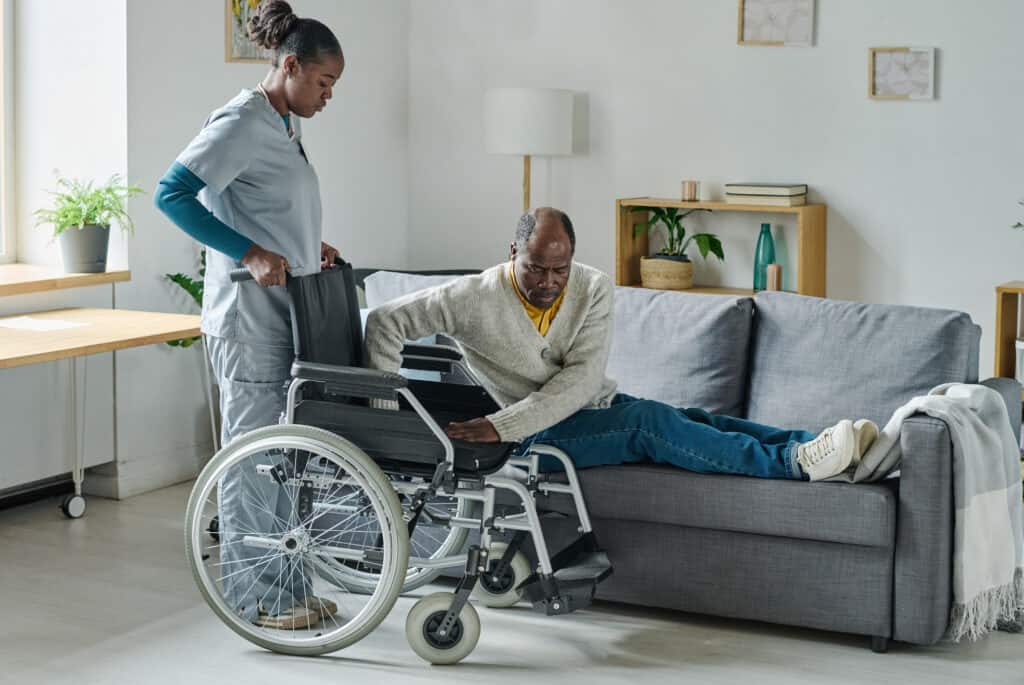
Nursing home fees cover more than care. They also cover the senior’s cost of living. They are typically more expensive than home care.
A home care agency Pittsburgh PA charges only for care. Therefore, it is typically less expensive than senior home service.
A+ Home Care is a recommended choice for in-home care Pittsburgh PA. We provide services that range from general living assistance to specialized care for disabled people. We offer 24/7 care, including holidays and weekends. We are Medicaid waiver approved.
Don’t settle for less than the best for your loved ones. Contact A+ Home Care today. Learn more about the comprehensive services we offer.